
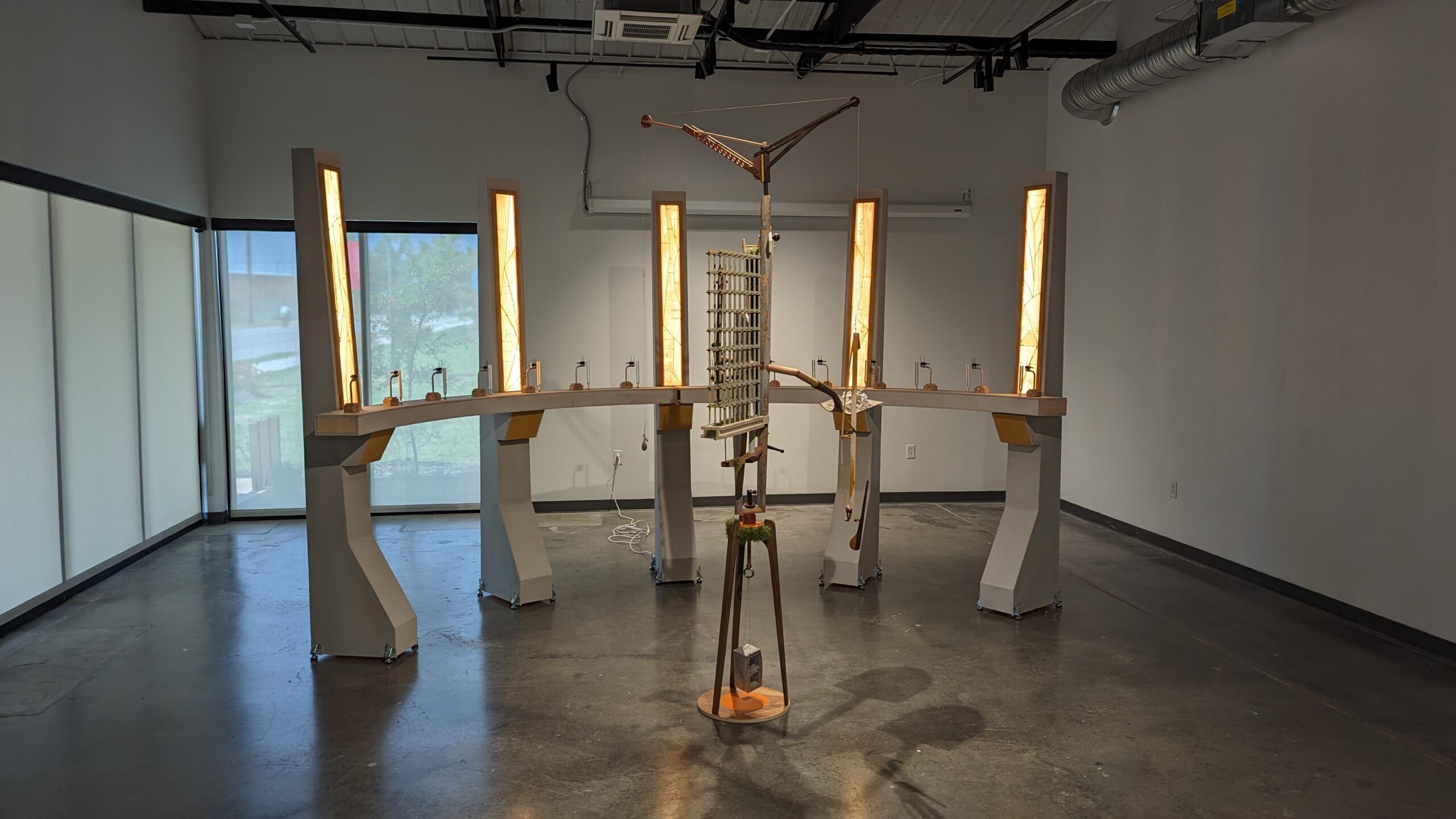


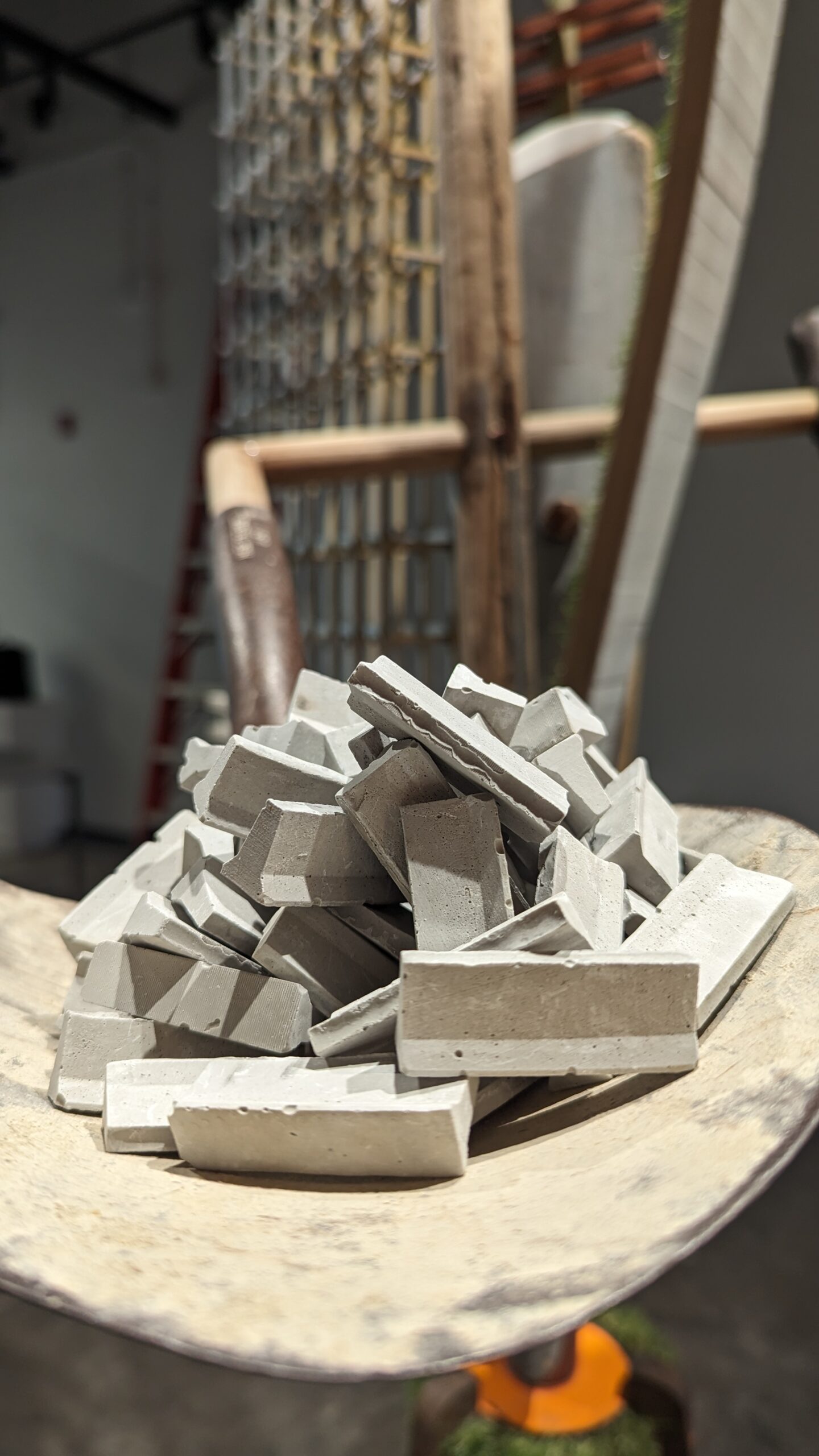


I began this work in 2022 when I watched my father’s health rapidly decline. In doing this it also made me keenly aware of the labor that my mother was doing in her role as his caretaker, while also watching her try to figure out how to balance this with her own personhood. All of this seemed to be happening on the surface while subliminally there was a current in all of it that centered around his inevitable death and a dramatic shift in her role as caretaker that had occupied much of her adult life. From children to my father’s decline, which started I suspect, long before most of us could have recognized or admitted at the time.
These things together gave me pause to reconsider the roles that parents play, that children have, and how these roles are simultaneously giving and taking, working in tension for and against one another.
Considering the nature of these relationships, as well as my own relationship to both of my parents made me want to explore the nature of this tension, to express in visual terms the ways in which these things play together, and to honor both the permanence of the bonds created through familial connections as well as the temporality of their existence. While exploring these things I was also thinking about the messiness of all of it. How a person can lose themselves to the role of caregiving, and how in some ways my mother’s entire life and identity were centered around this role, which made me question how much of this was willing acquiescence and how much of this was underpinned by societally imposed expectations, gender role definition, and the cultural climate in which she was born. The stars we are born under do matter.
When I think of making, I am not thinking of creating visual language that is legible in a 1:1 sense. I am not interested in telling my viewer a story, narrating an arc, or presenting characters. I am not interested in the kind of direct communication that spoken and written language provides, and what motivates me about making sculpture is the opportunity for communication to exist in greys, in the in-betweens and liminal spaces that are often assigned to poetry and lyricism in writing a music. As an artist I am interested less in direct conveyance and more in my potential ability to allow for viewers to experience the presence of object. For the viewer see and feel precarity, delicacy, provisionality, and to allow the confluence of the elements and decisions I choose to influence the way that the viewer receives the work both cognitively and emotionally.
What this means is that while this work and other work of mine stems from autobiographical, personal experience, the translation of this narrative to the viewer is less relevant than the experience that it can prompt.
If a viewer can connect the temporality of material and sound, grapple with the precarity, delicacy, absurdity, and impotence of a useless, twisted shovel or a boat that will never sail, I feel as though I have done my job.